
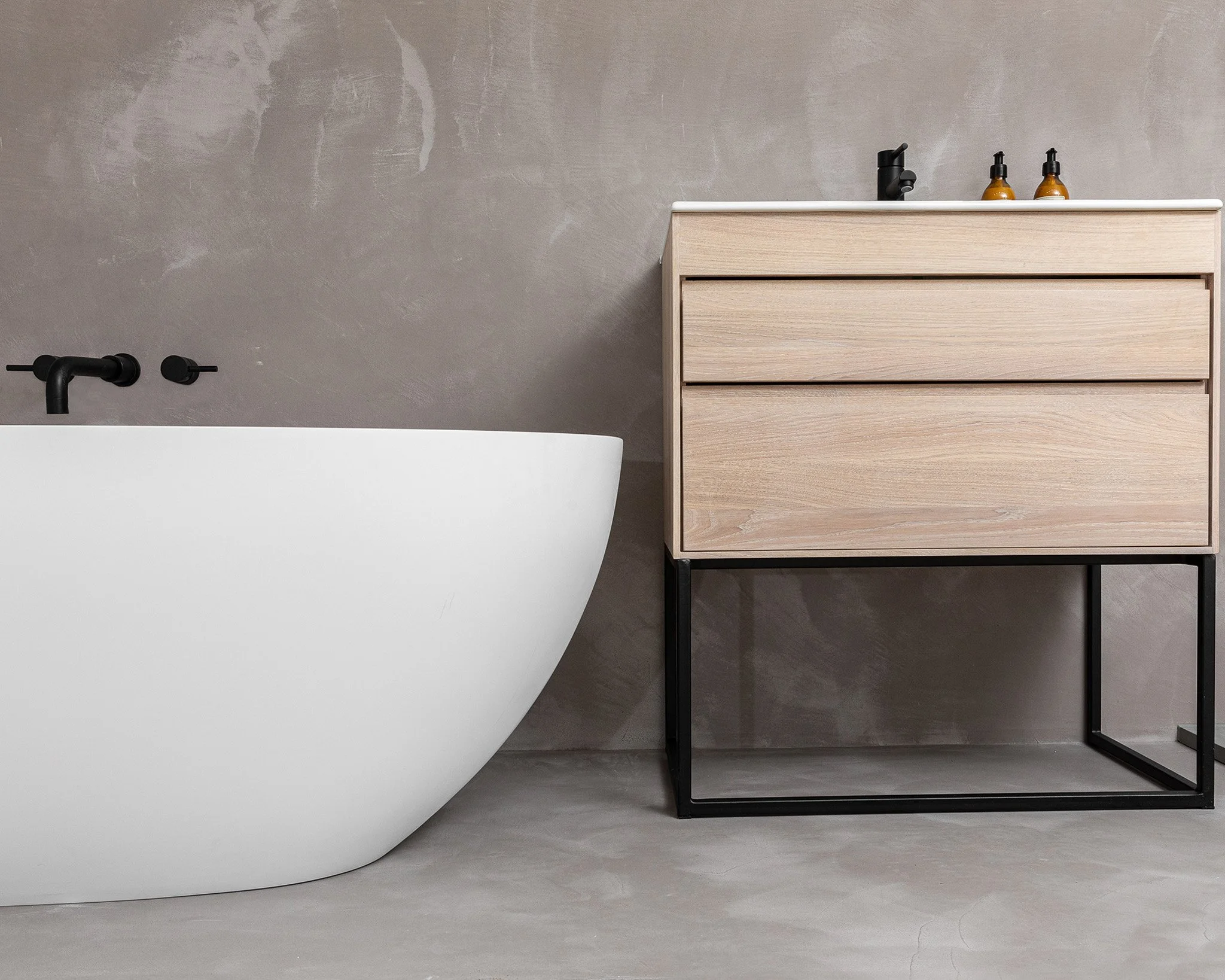
Ex Display Bathrooms For Sale
Ex Display Items: Vanity, Basin and Showers
Looking for a stylish bathroom without paying full retail? Carefully chosen display pieces can unlock high-end fixtures and fittings at a lower cost, especially when you know what to inspect, what measurements to bring, and how to plan a cohesive look from mixed stock.
Retailers refresh displays constantly. When a layout is rebuilt, ex display bathrooms are dismantled and placed into a clearance range so the floor can showcase new collections. That’s why timing matters: the biggest reductions often happen right after a refit, when space is tight and the retailer wants items gone quickly.
You may also see the term ex-stock. That usually means boxed goods that were over-ordered, returned unopened, or held back for a cancelled project. Occasionally the phrase ex-display kitchen appears alongside these listings because the retailer is clearing multiple departments at once—useful context if you’re browsing their outlet page.
What makes these clear-outs attractive isn’t mystery; it’s logistics. Once a retailer has set a deadline, yesterday’s perfectly good unit becomes “must move” inventory today.
Ex Display, Showroom Changeovers and Bathroom Sale: Why Bargains Appear
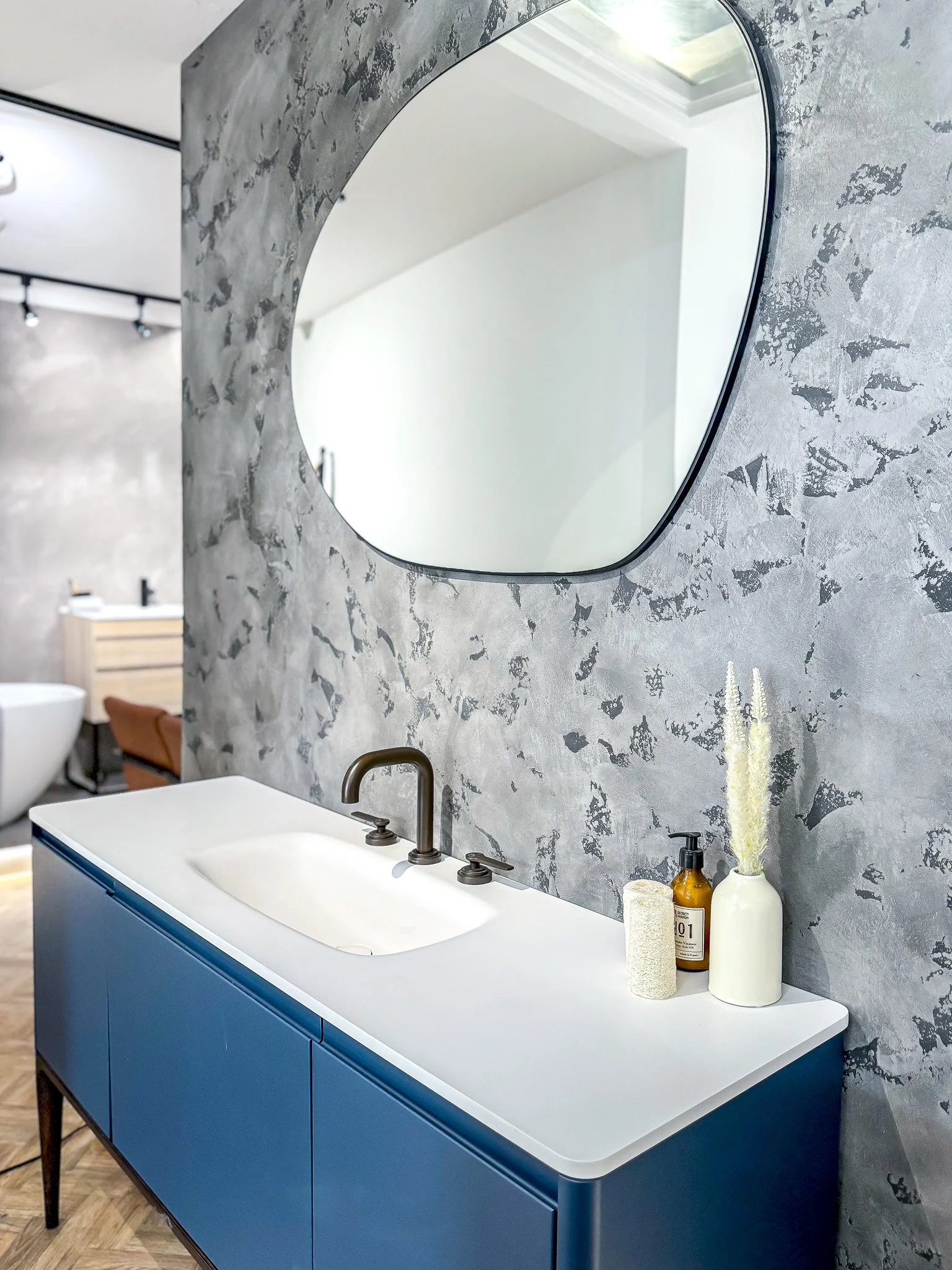
Promotions vs End-Of-Line: What The Labels Actually Mean
A promotion can be broad and predictable, but end-of-line events are more opportunistic. A seasonal promotion tends to cover current ranges with lower risk: you can often reorder sizes, colours, or matching extras if you change your mind.
A clear-out is different. It’s where discontinued lines, one-off displays, and stock clearance are pushed out fast, usually with limited returns. That’s also when you’ll spot short-lived clearance offers and genuinely discounted prices.
In practice, you’ll find three common patterns:
Single pieces: one tap, one ceramic bowl, one mirror, one cabinet.
Matched sets: a vanity with a basin and pre-drilled holes for a basin mixer.
Room bundles: occasionally a full suite, but check every box for completeness.
If a listing is tagged clearance items, treat it as a signal to move quickly—but also to inspect carefully. Clear-outs can deliver amazing deals, yet they are often “first come, first served”, and once something is gone you may not see the same combination again.
The Five-Minute Check: How To Inspect An Item Confidently
A quick inspection prevents small problems turning into big frustrations later. Use this routine:
Ceramics: check the basin edges, underside, and fixing points for chips or hairline cracks.
Brassware: move every lever on the tap; feel for smooth travel and a positive stop. If it’s a mixer, rotate it fully and listen for grit.
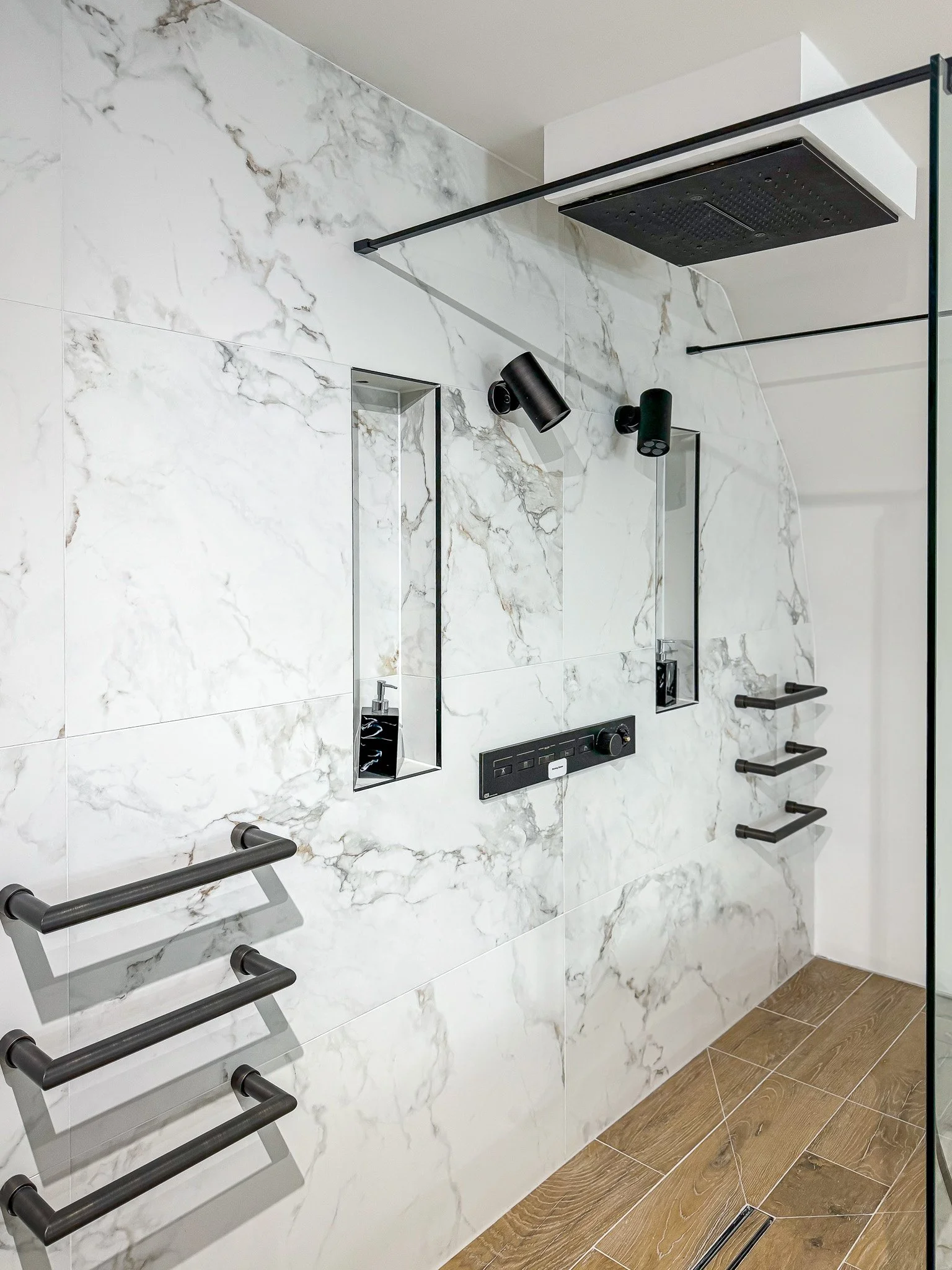
Shower parts: look at the handset, hose ends, and rail mounts for stress marks; confirm seals are present.
Cabinetry: open the vanity drawers and doors; check alignment and runner smoothness.
Completeness: ask for screws, brackets, and the waste kit. Missing fixings are common—and easy to overlook.
A light scuff can be acceptable; structural damage usually isn’t. The goal is to know whether you’re buying a quick win or a project—and whether that product will be easy to complete and maintain.
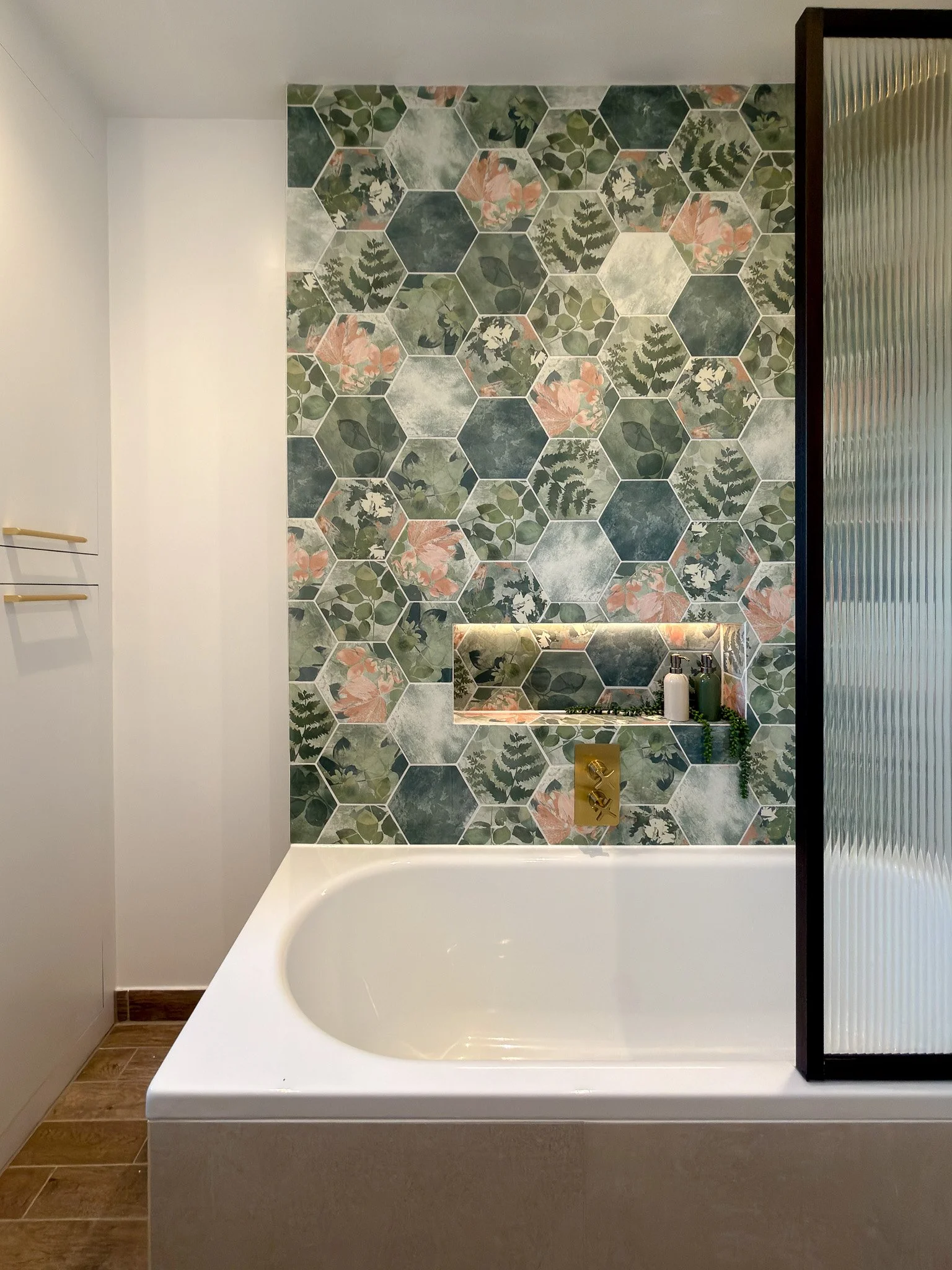
Designing A Cohesive Look With Ceramics, Taps, and Shower Controls
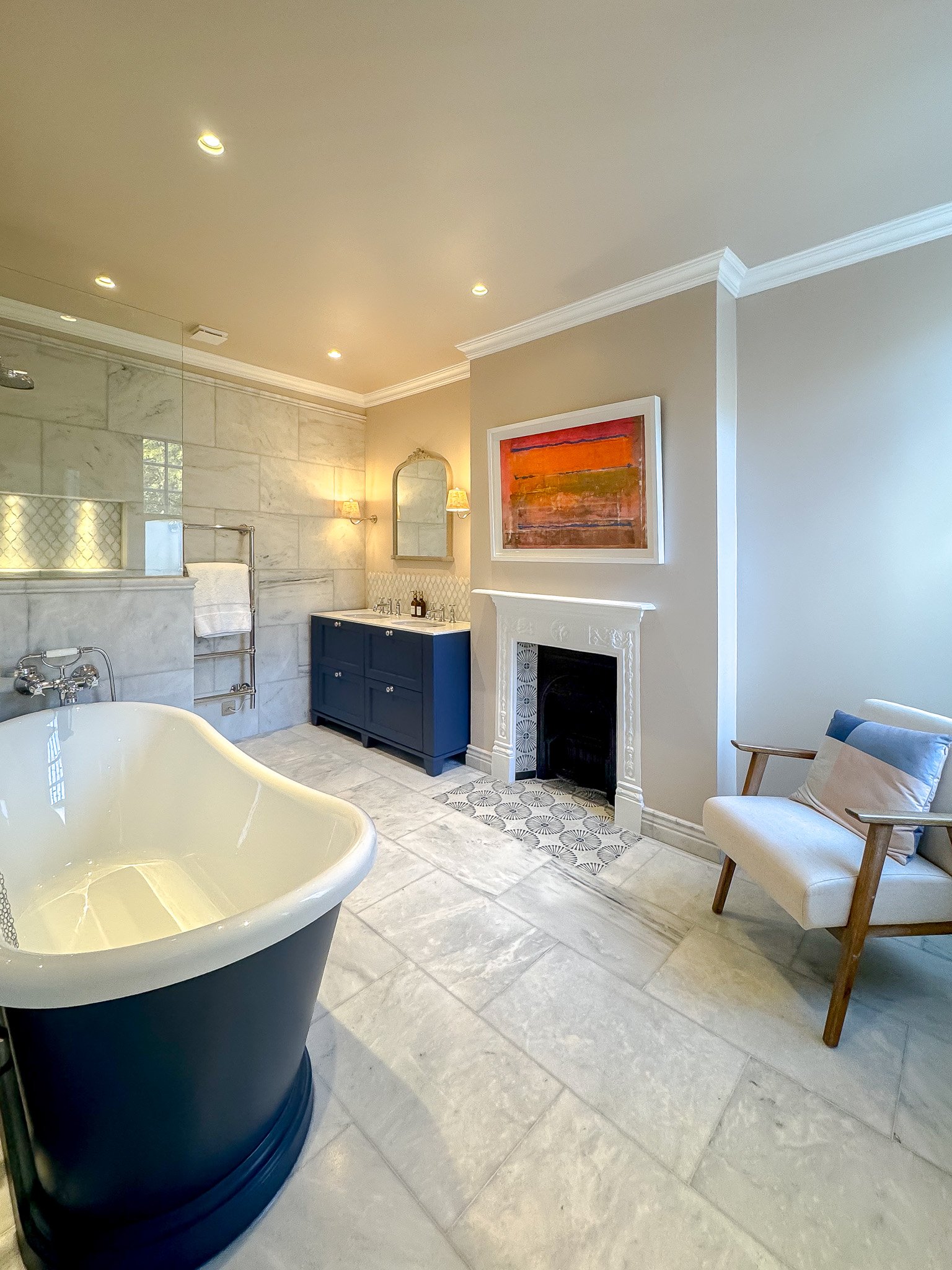
Buying from clear-outs is easiest when you decide on a style direction first. Pick a finish family (chrome, brushed, or matte) and stick to it across the tap set and shower controls. This is where reputable brand ranges help, because their pieces are designed to coordinate.
Start by choosing the ceramic you like most, then find storage that fits. In compact layouts, a narrower unit keeps walking space comfortable. In larger rooms, wider drawers balance the proportions and reduce clutter.
If you prefer a cleaner counter line, choose a single-hole bowl and pair it with a basin mixer. If you need more reach, select a deeper shape and a taller spout. Either way, test the lever action and check that the cartridge feels consistent throughout the swing.
For the shower area, confirm compatibility with your plumbing. Some valves demand higher pressure; others are designed for mixed systems. Ask for the data sheet, keep it with your paperwork, and share it with your installer before anything is hidden behind tiles.
Baths and When a Display Model is Worth It
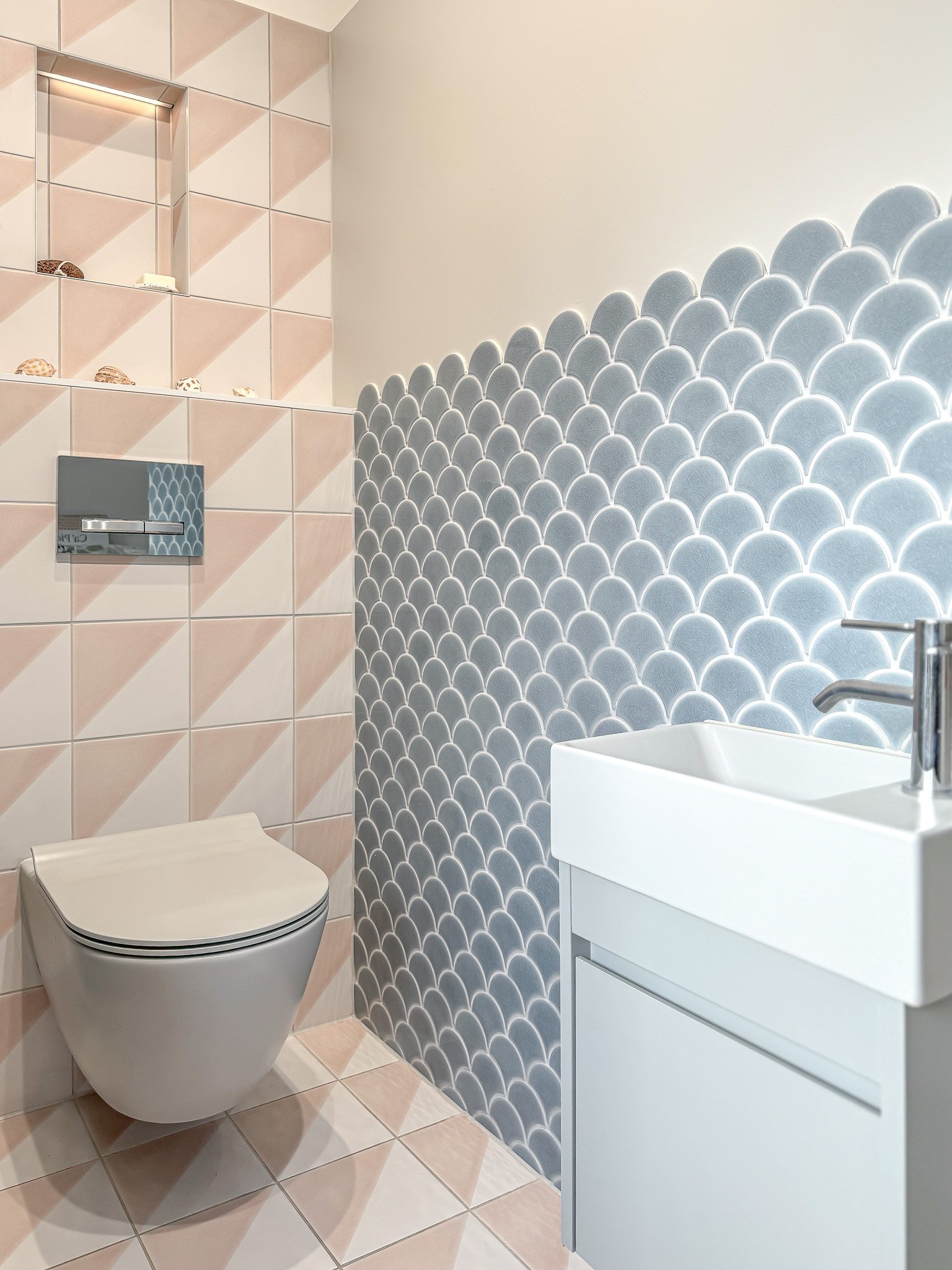
If you’re set on a bath, measure access routes before you commit—doors, stairs, and turning corners matter. Sometimes a display includes a freestanding bath, which can instantly elevate the space and read as luxury without extra décor.
Key checks:
Look underneath for transport scuffs.
Confirm the drain position matches your pipe run.
Ask whether feet and trim pieces are included.
Check the surface material for fine scratches under bright light.
If you spot a model in that style that fits your plan, act quickly; bulky pieces disappear fast once the team starts clearing the floor.
What You Might See In An Ex-Display Bathroom Sale And How To Judge It
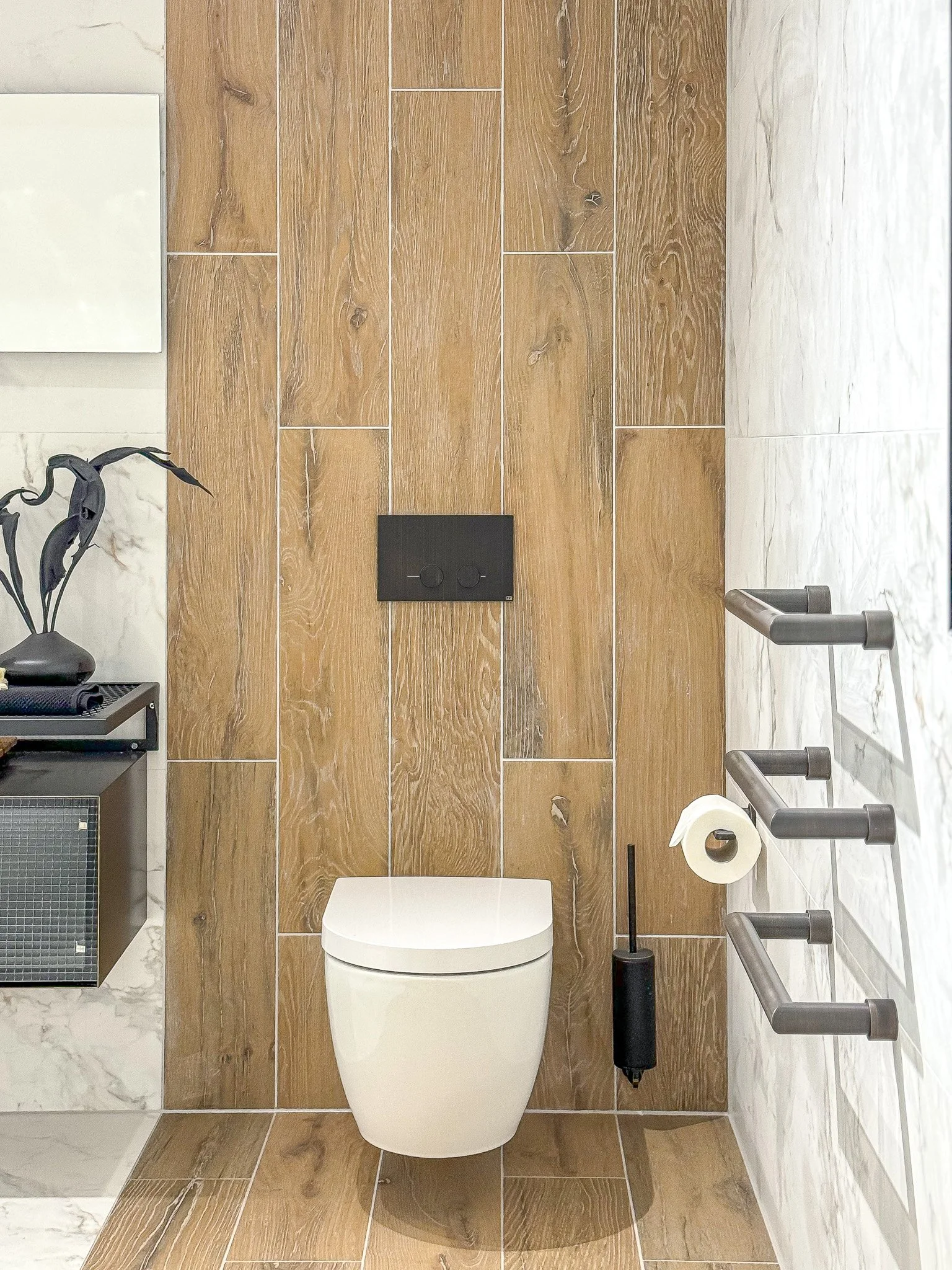
Reliable brassware is worth prioritising. In outlet listings you may see Roca and Bristan, plus ceramics from Villeroy & Boch. On premium fittings, axor hansgrohe is often a sign of refined engineering—just confirm every plate, seal, and mounting part is included.
Still, don’t buy on name alone. The most important question is whether spares are available for the valve or cartridge. Ask for the part number, photograph it, and keep the manual in your project folder.
Also consider finish longevity. Some coatings show fingerprints easily, while others hide water spots. If you can, view the piece under natural light rather than only under store LEDs.
Planning Around Stock In A Bathroom Clearance: Measurements, Wall Realities, and Sequencing
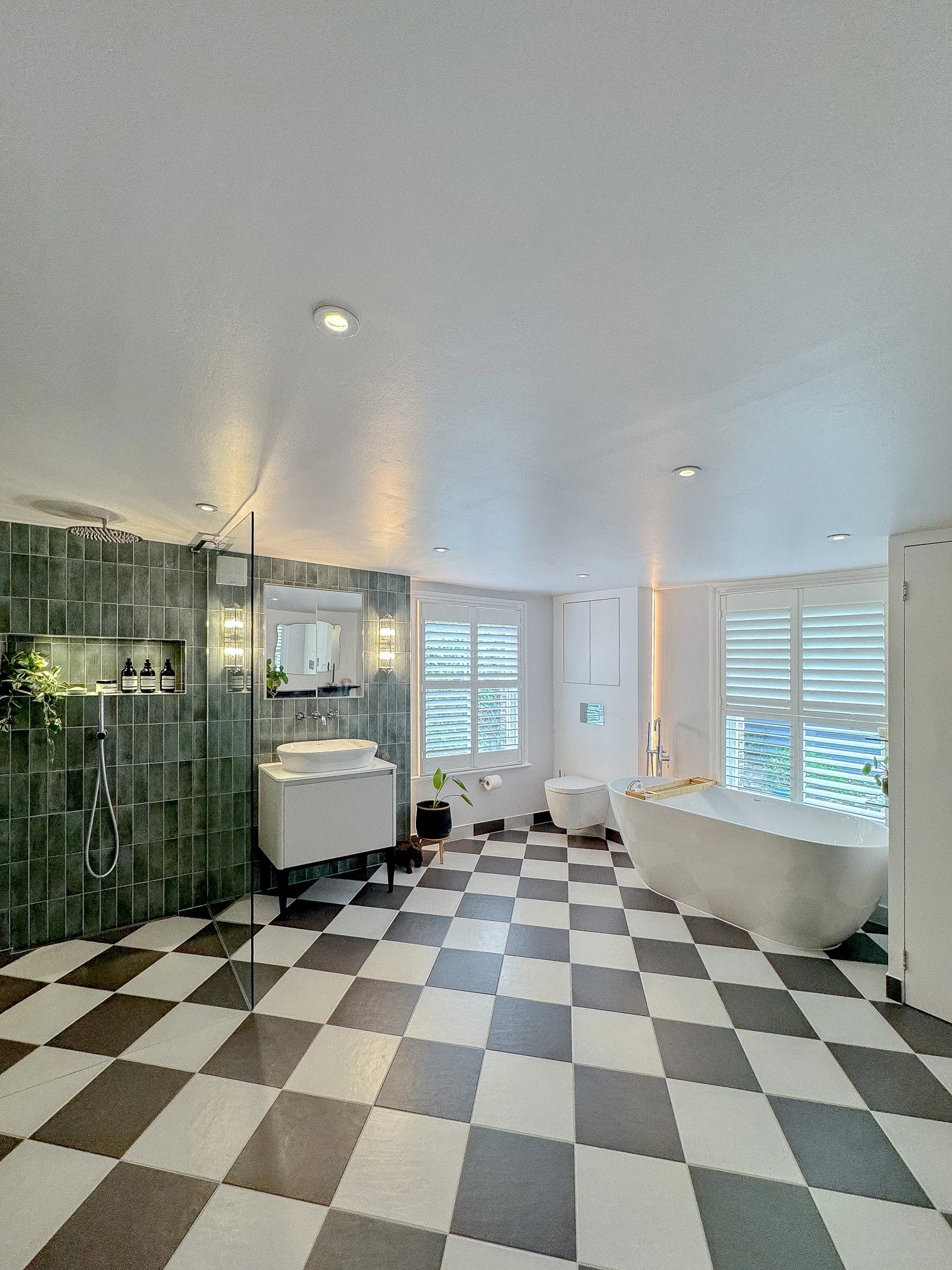
Clear-outs reward preparation. Bring a tape measure, note your critical dimensions, and confirm your wall type if you’re considering concealed valves or a floating unit. If you’re choosing furniture with drawers, check the rear clearance for pipework so nothing fouls when the unit is pushed back.
A simple sequencing plan helps:
Secure the big pieces first (storage unit, ceramic, shower set, bath).
Book your plumber and agree the work window.
Order any missing adapters and a spare cartridge early.
Leave cosmetics—lighting, shelving, décor—for last.
This approach reduces surprises, keeps your budget predictable, and avoids buying duplicates you don’t need.
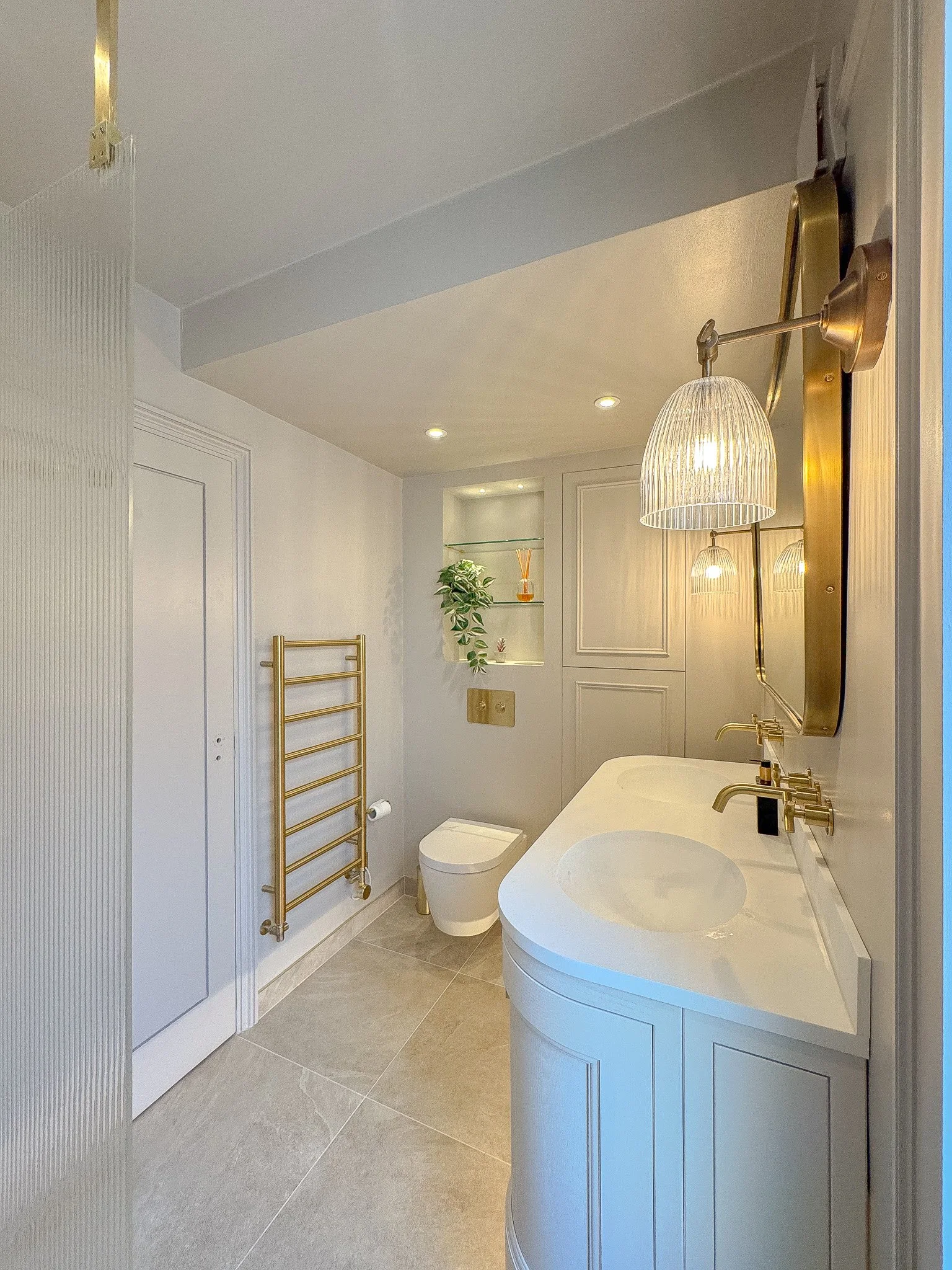
The Role of the Bathroom Showroom: Questions That Save Headaches
A good showroom is more than a place to browse; it’s where you can reduce risk before you buy. Ask staff the questions that matter:
Has the display been connected to water
Are all fixings included, or were some reused between displays?
Can you see the underside and the back edges before collecting?
Is there any paperwork for warranties, or is it “as seen”?
If you’re choosing between two similar sets, pick the one with clear documentation. It makes replacements easier, and it helps your trades plan the plumbing and electrics.
Returns, Timelines, and Install Prep
Before you shop, decide your deadlines. If your tiler is booked for a specific week, make sure every box is on site early so you’re not scrambling for replacements at the last minute. Build in time for delivery, checks, and one calm test-assembly day so your installation doesn’t get delayed by a missing seal.
If anything is uncertain, ask the retailer to confirm lead times for spares. It’s easier to solve problems before fitting starts than after everything is boxed back up, and it keeps your project from stalling over a tiny component.
Transport, Storage, and the Hidden Costs People Forget
The most common regret with clear-outs isn’t the finish—it’s the logistics. Ceramics hate impacts; long boxes don’t like tight stairwells. If collection is required, take blankets, straps, and a rigid board to support flat surfaces.
At home, store boxes somewhere dry and stable. Avoid leaning tall cartons against radiators or leaving hardware loose in a toolbox where parts can disappear. For metal parts, keep protective film on until the day they’re fitted.
If you need to hold items for a few weeks, label everything. Write what it belongs to and where it goes (for example, “main shower rail”, “basin tap”, “drawer handles”). That tiny bit of admin saves hours later.
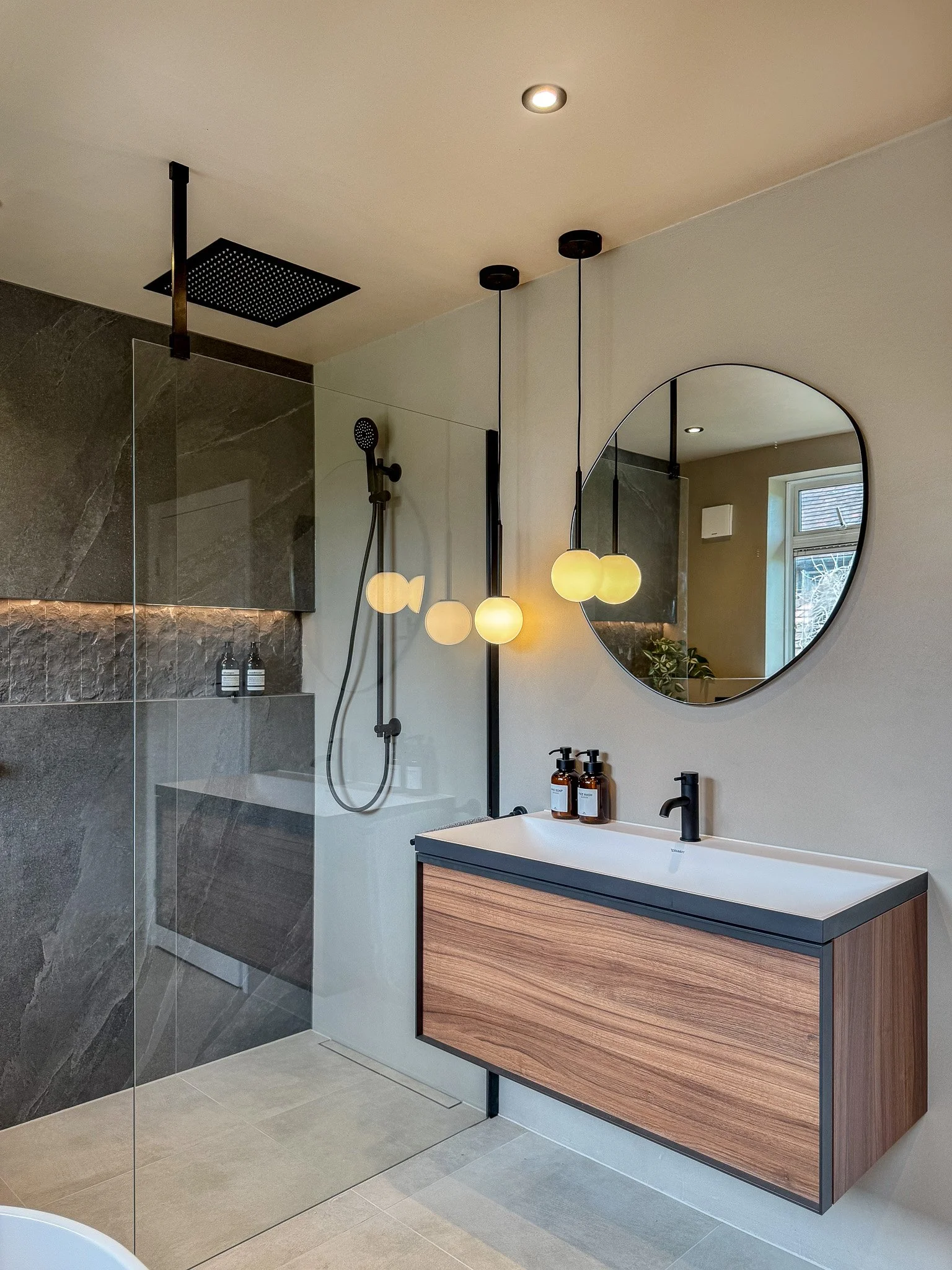
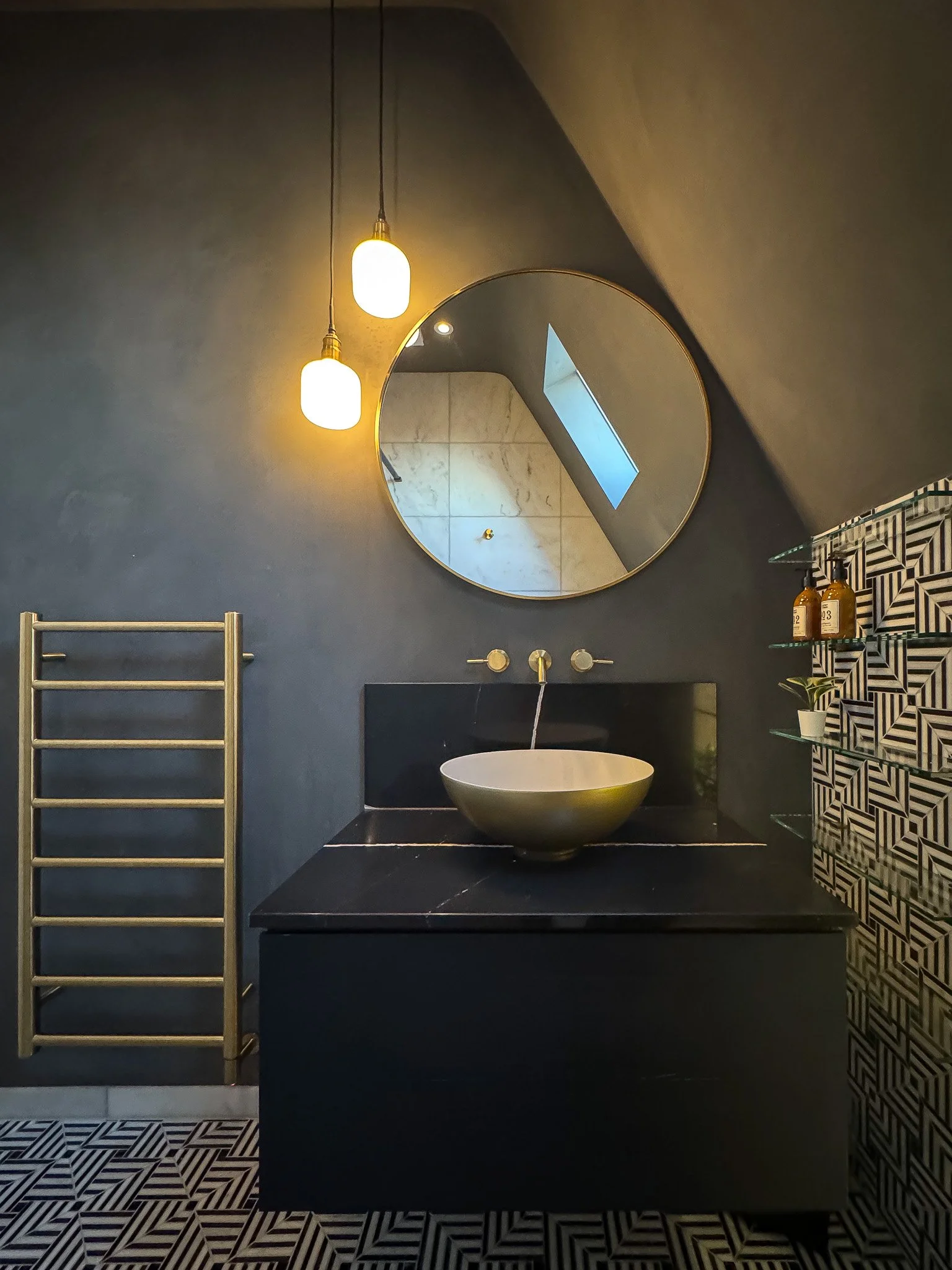
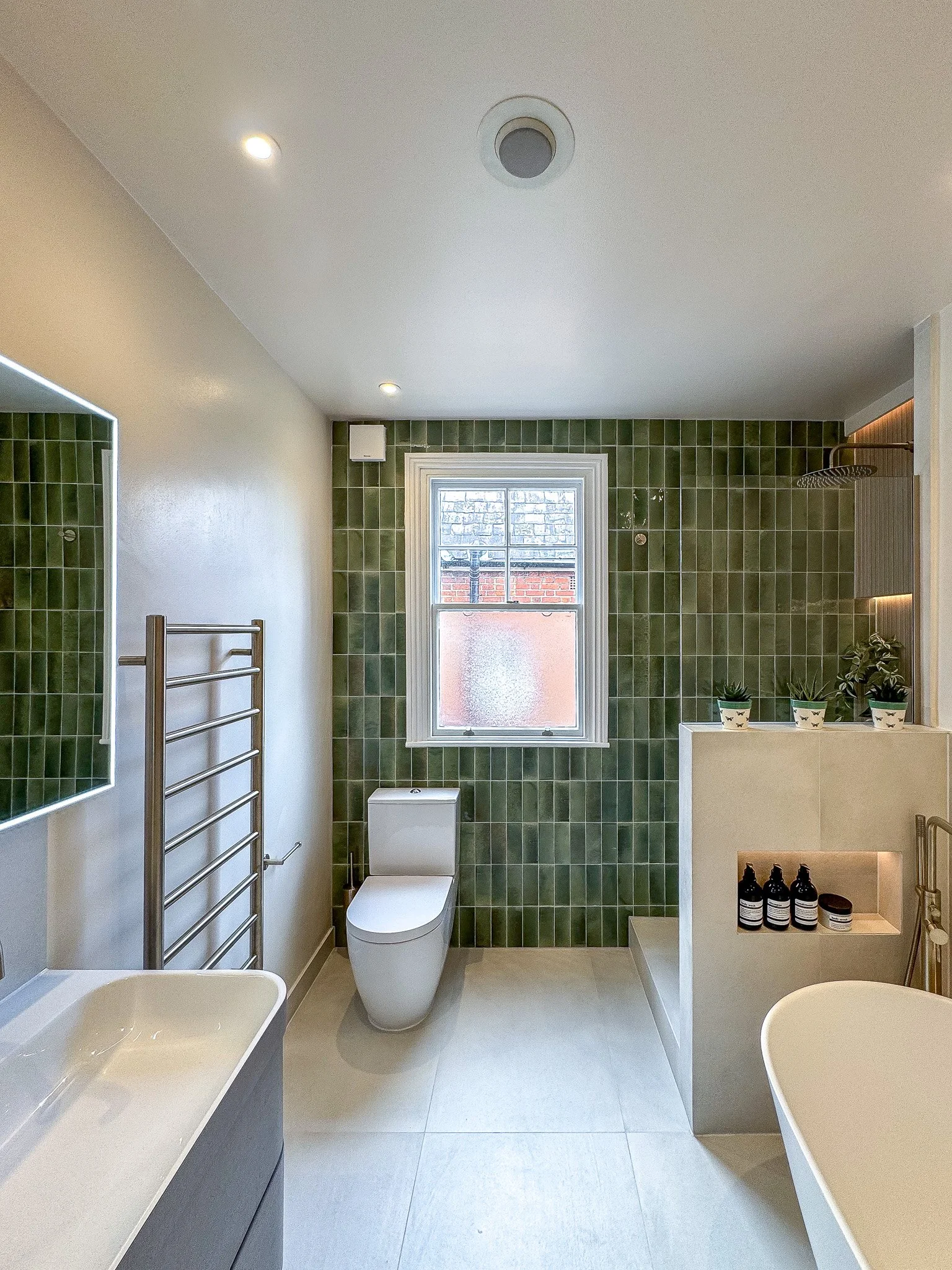
When you’re combining items from different sources, the trick is repetition. Repeat a shape (rounded corners, crisp angles) and repeat a metal finish. Keep the statement element to one place—either a bold ceramic shape or a strong metal finish—so the rest feels calm.
A practical approach:
Choose one hero element.
Match the second element by finish or geometry.
Keep accessories neutral so they don’t introduce a third “language”. A single practical accessory—like a matching hook or dispenser—can make the whole space feel finished without adding visual noise.
If you do want contrast, keep it deliberate: matte hardware with glossy ceramic, or warm-toned metal with a cooler tile. Avoid mixing three different metal tones—most rooms can’t carry that many competing reflections.
Making Mixed Pieces Feel Intentional, Not Random
Negotiating, Warranties, and What “as seen” Should Include
Clear-out pricing can feel fixed, but there is often room to negotiate—especially if something is missing. Be polite, be specific, and frame it as problem-solving. If the display is missing brackets or a trim piece, ask whether the retailer can source it or adjust the total. If the numbers still work, it’s a deal.
If the retailer is running a limited-time offer, ask whether it applies to the matching controls as well.
This is where the single word discount matters: it’s not just about paying less, it’s about paying fairly for what you’re actually getting.
Also ask what “as seen” covers. Some sellers will still provide a limited warranty on mechanisms; others won’t. If a warranty exists, get it in writing and keep the receipt with the manual.
Not every tag is unbeatable. Walk away if:
a ceramic has cracks,
the shower valve is incomplete,
the tap feels gritty and replacements can’t be sourced,
cabinetry is swollen from moisture,
you’re told it’s brand new but it’s clearly been repaired.
Also watch for listings marketed as a clearance bathroom package where the key components don’t actually match. A bundle that forces compromises isn’t a true win—it’s future frustration.
Red Flags: When to Walk Away
A Quick Checklist Before You Pay
Before you commit, run through this list:
Confirm the exact price and what’s included.
Photograph labels and part numbers.
Check the tap, shower handset, and brackets in good light.
Count fixings and compare against the manual.
Decide whether the offer is still good once you add any missing parts.
If you keep to this process, you canbuild a room that looks deliberate, not pieced together—using one-off finds, curated ex-displays, and the occasional set that was hiding in plain sight. The result is real savings, with choices that feel considered rather than rushed for every fixture.
Documentation and Handover: Make Your Project Calmer
Create a simple folder on your phone for receipts, manuals, and photos. Take shots of the box labels, any barcode stickers, and the underside of each component before it’s wrapped back up. If you later need a spare part, those images are usually enough to identify the exact variant without guesswork.
It also helps to write one page of notes for your trades: what goes where, what finish matches, and what must be kept together in the same carton. When everything is labelled and recorded, you reduce decision fatigue on the day work starts, and you avoid the classic “where did that small bag of screws go?” moment.
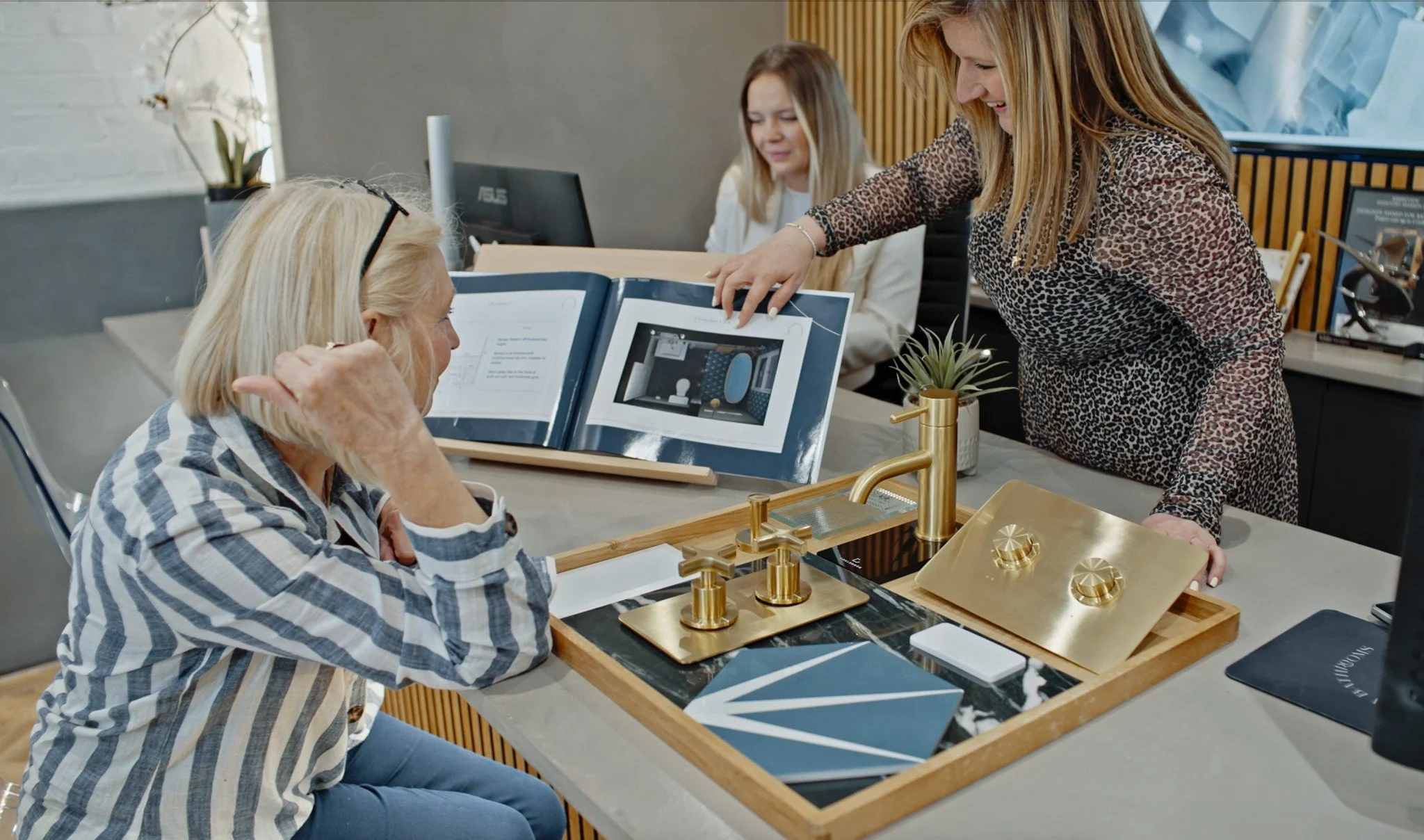
In-Showroom Discovery Consultation
A short showroom consult to explore your vision, provide early clarity, and ensure our approach aligns with your project.

Popular
Book a Call With Our Designer
A quick introductory call to understand your project, answer early questions and see if we're the right fit.

Send Us an Enquiry
If you're not ready to book just yet, send us a message and our team will get back to you promptly.